How Oil Prices Affect the Stock Market on Inflation Shifts?
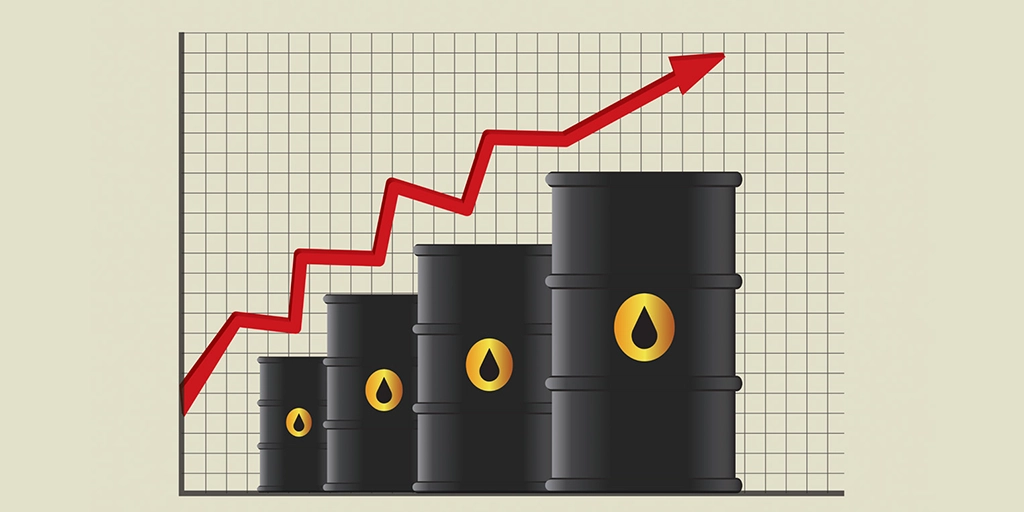
Oil prices do not move the stock market in one simple way. Sometimes rising crude pushes equities lower. At other times, stocks stay firm even when oil climbs. That is because the market is not reacting to oil alone. It is reacting to what oil is saying about growth, inflation, costs, interest rates, and risk.
That is why this topic matters more than it first appears. A jump in oil can raise fuel and freight costs, squeeze margins, lift inflation expectations, and change how investors price risk. But the market reaction also depends on one key question: why did oil rise in the first place?
Why Oil Matters To Stocks in The First Place
Oil affects the market through several channels at once.
The Main Link Usually Works Like This
- higher crude raises transport and input costs
- higher costs can pressure company margins
- inflation concerns begin to rise
- bond yields and rate expectations may move higher
- equity valuations can come under pressure
- sector rotation starts to show up across the market
Central bank research has repeatedly shown that oil can hit equities through weaker earnings expectations, margin pressure, slower growth expectations, and a higher risk premium.
The Biggest Mistake Investors Make
Many people assume every oil spike means the same thing. It does not.
One of the most important findings in oil market research is that not all oil price shocks are alike. A rise caused by stronger global demand does not carry the same message as a rise caused by war, shipping disruption, or a sudden supply cut. Each kind of oil shock can push stock markets in a different direction.
Not Every Oil Move Sends The Same Signal
| Type of oil move | What it usually means | How stocks often read it |
|---|---|---|
| Supply shock | War, sanctions, output loss, shipping risk | Usually negative for broad markets |
| Demand driven rise | Stronger global activity | Can be less negative, sometimes even supportive for cyclicals |
| Fear driven move | Inventory stress, uncertainty, speculative positioning | Often increases volatility fast |
| Temporary spike | Short lived disruption or headline risk | Market may react sharply, then normalize |
This is the section most blogs miss. Oil is not just a commodity. It is also a macro signal. Research from Lutz Kilian’s oil shock framework makes this point very clearly.
How The Market Transmission Really Works

Sometimes the effect is immediate. Sometimes it takes time to show up.
When Oil Rises Because Supply Is Under Threat
- markets worry about inflation
- transport and input costs rise
- import dependent sectors come under pressure
- risk sentiment weakens
- defensive positioning increases
When Oil Rises Because Growth Is Improving
- demand expectations may improve
- some cyclicals can hold up better
- the market may focus more on growth than on cost pressure
- the reaction becomes more mixed
So the stock market is not asking only, “Is oil up?” It is asking, “What kind of oil move is this, and what does it say about the economy?”
Sector Impact Is Never Equal
Some sectors feel oil pressure faster than others. That is where the real stock market movement begins to separate.
| Usually under pressure when oil rises | Can be relatively better placed |
|---|---|
| Airlines | Upstream energy producers |
| Logistics and transport | Select energy services businesses |
| Paints and chemicals | Some refiners, depending on spreads |
| Consumer sectors with weak pricing power | Businesses with strong pass through ability |
| Fuel intensive industrials | Firms linked to domestic energy supply themes |
Sector level research shows that oil and exchange rate shocks do not hit all industries in the same way, and the effect can change across time and market conditions.
Why The India Angle Matters Even More
For India, oil is not only a sector story. It is a macro story. India was already the world’s second largest crude oil net importer in 2023, according to the IEA. That makes oil important not just for energy companies, but for inflation, the rupee, household spending, and overall market sentiment.
When Crude Rises, India May Feel It Through
- higher imported inflation
- rupee pressure
- weaker margin outlook for oil sensitive sectors
- higher logistics and operating costs
- more market attention on rates and policy response
That is why Indian equities often react to oil through both company level pressure and broader economic expectations.
The Market Reaction Changes With Time
A same day market reaction and a three month earnings effect are not the same thing.
| Time horizon | What matters most |
|---|---|
| Same day to one week | headlines, futures moves, sentiment, volatility |
| One month to one quarter | input costs, inflation, currency, earnings revisions |
| Longer term | demand destruction, policy response, sector repricing |
ECB research on oil shocks and financial markets shows that oil also behaves like a real time risk signal, which helps explain why short term market moves can look very different from later earnings driven adjustments.
Why Oil Reactions Can Suddenly Become Much Sharper
Oil does not always move markets in a smooth pattern. Sometimes the reaction becomes much stronger than expected.
That usually happens when:
- inventories are already tight
- supply routes look vulnerable
- speculative positioning is stretched
- the market is already nervous about inflation or geopolitics
The ECB has shown that oil price reactions can become much stronger in extreme market states, especially when key conditions are already stretched. In simple terms, the same shock can hit harder when the market is poorly positioned to absorb it.
A Real World Example Of Why This Matters
A good example is the Strait of Hormuz. The IEA says about 20 million barrels per day moved through the Strait in 2025, or around 25 percent of global seaborne oil trade, with most of that flow headed to Asia. That means even disruption risk, not just actual disruption, can quickly lift crude and unsettle Asian markets. This is why stock markets sometimes react before the physical supply story fully changes. The market is pricing risk, not waiting for the final outcome.
Oil Does Not Stay In The Oil Market
Another important point is that oil shocks often spread into other cost chains too. The BIS has noted that commodity stress does not stay limited to crude. Energy shocks can spill into transport, refining, electricity, agriculture, fertilizers, and industrial costs. That broadens the stock market effect well beyond energy stocks alone.
What Investors Should Actually Track
Looking only at Brent or WTI is not enough. A better approach is to watch the wider signal.
Useful Things To Track
- whether the oil move is supply driven or demand driven
- rupee movement
- bond yield reaction
- inflation expectations
- sector relative performance
- earnings commentary on fuel, freight, and raw material costs
- policy response from central banks or governments
What Investors Often Get Wrong
A few assumptions keep showing up again and again:
Common Mistakes
- assuming every oil rise is bad for all stocks
- expecting all energy stocks to rally equally
- ignoring the role of inflation and rates
- reacting to the headline without checking the cause
- focusing on the index and missing sector rotation underneath it
That is where better market reading starts. Oil moves markets, but it does not move everything the same way.
Oil Price Insights for Smarter Investing with Finmarra
Oil prices do not influence the stock market only through energy costs. They shape inflation expectations, affect company margins, influence interest rate outlook, and often change how investors read risk across sectors. That is why the market response to crude is rarely simple or uniform. Some businesses face direct pressure, while others respond more to currency movement, input costs, or shifts in consumer demand. Understanding how oil prices influence stock market movements in India is important for making steadier investment decisions, especially during volatile periods. With the right perspective, these changes can be read more clearly instead of reacted to emotionally. Finmarra helps investors approach such market movements with a more thoughtful financial strategy, so short term oil shocks do not distract from long term investment goals.