Understanding Global Events and Their Impact on India

Global geopolitical tensions may look like distant political events, but they can affect India very quickly. A war, a trade conflict, a sanctions move, or shipping disruption can push up oil prices, slow imports, unsettle markets, and change how businesses plan.
India is closely linked to the global economy through energy imports, trade flows, foreign investment, and supply chains. That is why global tensions do not stay global for long. They begin showing up in fuel prices, inflation, currency movement, and business sentiment inside the country.
How the impact reaches India
It usually moves in a chain, not in isolation.
A typical pattern looks like this:
- Global conflict or political tension
- Oil, gas, metals, and freight costs rise
- Import bills increase
- Inflation pressure builds
- Markets react and investor sentiment changes
- Rupee movement becomes more sensitive
This is why a global event can start with a conflict abroad and end with higher local costs in India.
The first pressure point is usually energy
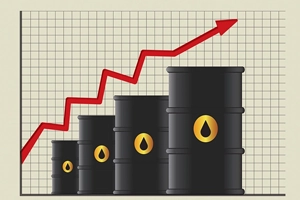
India depends heavily on imported crude oil, so energy is often the first area to feel the strain.
What happens when energy prices rise
- fuel becomes more expensive
- transport costs go up
- production costs rise across sectors
- imported commodities become costlier
- inflation starts spreading beyond energy
That is why geopolitical stress often reaches households through everyday expenses before people even follow the global event itself.
Where households feel it most
This impact is not limited to markets or policy circles. It reaches daily life in simple but direct ways.
| Area | Likely effect |
|---|---|
| Fuel | Petrol and diesel prices may rise |
| Food | Grocery costs can increase when transport and farm inputs get expensive |
| Utilities | Gas, power, and energy linked costs may feel pressure |
| Travel | Personal and business travel becomes more expensive |
| Household budgets | Monthly spending becomes harder to manage |
So even if the trigger is global, the effect often becomes local very quickly.
Trade does not stop, but it becomes harder
Trade disruption is another major channel. When shipping routes are stressed or global relations become uncertain, businesses begin facing delays, higher freight charges, and supply gaps.
Businesses may have to deal with:
- costlier raw materials
- slower imports
- uncertainty in export demand
- urgent supplier changes
- pressure to source more locally
This creates short term difficulty, but it can also push Indian businesses to build stronger domestic supply chains.
Not every sector feels it the same way
Some sectors come under pressure immediately. Others may actually gain over time.
Sector wise impact
IT and Services
Can remain resilient, especially when global companies diversify outsourcing and operations.
Manufacturing
May face raw material and shipping pressure, but can benefit if global firms look at India as an alternative production base.
Agriculture
Input costs may rise when fertilizer, fuel, and commodity prices increase.
Energy and Utilities
Usually feel the strongest direct impact because oil and gas volatility affects cost structures quickly.
Pharmaceuticals
Can face pressure when import dependent inputs become more expensive.
Logistics and Transport
Fuel and route disruption directly raise operational costs.
This uneven impact is important because the Indian economy does not move in one straight line during geopolitical stress.
Short term shocks and long term shifts are not the same
One of the biggest mistakes is to look only at the immediate disruption. The short term shock is real, but it is not always the full story.
| Short term effect | Longer term shift |
|---|---|
| Oil and commodity spikes | Greater push for energy diversification |
| Currency pressure | Stronger focus on external resilience |
| Market volatility | More disciplined capital allocation |
| Import disruption | Increased support for local manufacturing |
| Supply chain stress | India becomes more relevant in global sourcing |
This is where the picture becomes more balanced. Global tensions can hurt in the near term, but they can also accelerate structural change.
Why India can still benefit in some areas
This is the part many people miss. Geopolitical tensions do create risk, but they also force businesses and governments to rethink where they source, produce, and invest.
India may benefit through
- supply chain diversification away from concentrated markets
- policy support for domestic manufacturing
- stronger interest in India as a production base
- more focus on renewable and alternative energy
- greater long term value in local capacity building
These are not instant gains, but they can shape stronger economic positioning over time.
What the government and RBI try to do
When external shocks hit, policy response becomes critical. The goal is not to remove all pressure, but to stop instability from spreading too far.
Common policy responses include
- using forex reserves to support currency stability
- managing inflation through monetary policy
- supporting strategic reserves where needed
- encouraging domestic production
- diversifying import sources
- protecting key sectors from excessive volatility
A strong response helps the economy absorb the shock with less disruption.
What investors should actually watch
During geopolitical uncertainty, headlines move fast. But not every headline matters equally. Investors need to watch the variables that directly influence the Indian economy.
The most useful signals are:
- crude oil prices
- rupee movement
- inflation trend
- RBI actions
- sector specific exposure to imports
- sectors gaining from domestic manufacturing and diversification
This keeps the focus on what matters instead of reacting to every short term global update.
A simpler way to understand the full picture
If you want to reduce the topic to one practical idea, it is this:
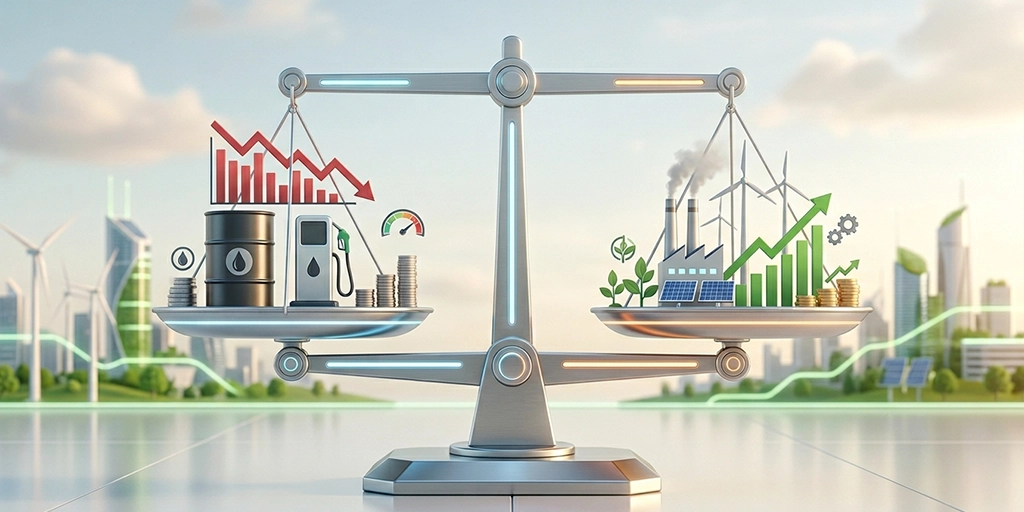
Global geopolitical tensions affect India in two ways at the same time.
They create pressure through
- energy costs
- inflation
- trade disruption
- weaker sentiment
- market volatility
They also create opportunity through
- supply chain shifts
- local production growth
- policy reform
- strategic investment interest
- long term sectoral change
That is why the effect is never purely negative or purely positive. It depends on timing, sector, and how India responds.
Investing Through Finmarra Under Global Tensions
Global geopolitical tensions affect Indians as much as any other economy by means of prices, trade, currency movement, market behavior, and policy response. The short term impact can be uncomfortable, especially when inflation rises and markets turn volatile. But these same disruptions can also push India toward stronger domestic production, better diversification, and new global opportunities. At Finmarra, we assist investors in managing these changes with a clear strategy, helping them make informed investments in the Indian economy. Short-term shocks may appear sudden, but careful planning can turn even uncertain times into a solid start for your financial journey.
Investing Through Global Tensions
Global developments impact prices, imports, and markets in India, but the nation adjusts. Companies move production, policies support currency stability, and IT and manufacturing continue to expand. At Finmarra, we assist investors in managing these changes with a clear strategy, helping them make informed investments in the Indian economy. Short-term shocks may appear sudden, but careful planning can turn even uncertain times into a solid start for your financial journey.